Researchers, policymakers and industry leaders have called for stronger partnerships between universities, businesses and government to develop practical solutions to challenges affecting food security, healthcare, housing, energy and sustainable development.
The call was made at the opening of the 19th Annual Research Conference and Fair of the University of Lagos, held on Wednesday, October 14, 2026, at the Jelili Adebisi Omotola Multipurpose Hall, Akoka.
The three-day event, organised as part of the university’s 2026 International Week, attracted more than 620 registered participants and featured over 500 research abstracts across eight thematic areas.
With the theme, “Sustainable Frontiers: Integrating Food Systems, Security, Health, Housing and Humanities for Combating Global Challenges,” the conference provided a platform for academics and industry practitioners to present research findings, explore innovations and establish partnerships aimed at addressing pressing societal needs.
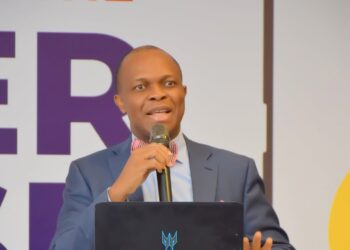
Speaking at the event, Chairman of the Conference Planning Committee, Professor Joseph Bamidele Minari, stressed the importance of disseminating research findings and strengthening collaboration between academia and industry.
He said the conference offered researchers opportunities to exchange ideas, share knowledge and examine how their work could contribute to solving real-world problems.
The Deputy Vice-Chancellor (Academics and Research), Professor Matthew Olusoji Ilori, who also chairs the university’s Central Research Committee, challenged researchers to ensure that their findings produced tangible benefits beyond academic publications.
Ilori emphasised the need for more effective communication of the university’s research achievements, greater engagement with industry and the adoption of emerging technologies to translate knowledge into policy, innovation and improved living conditions.
He noted that the breadth of submissions across the eight thematic areas created opportunities for researchers from different disciplines to collaborate on complex challenges.
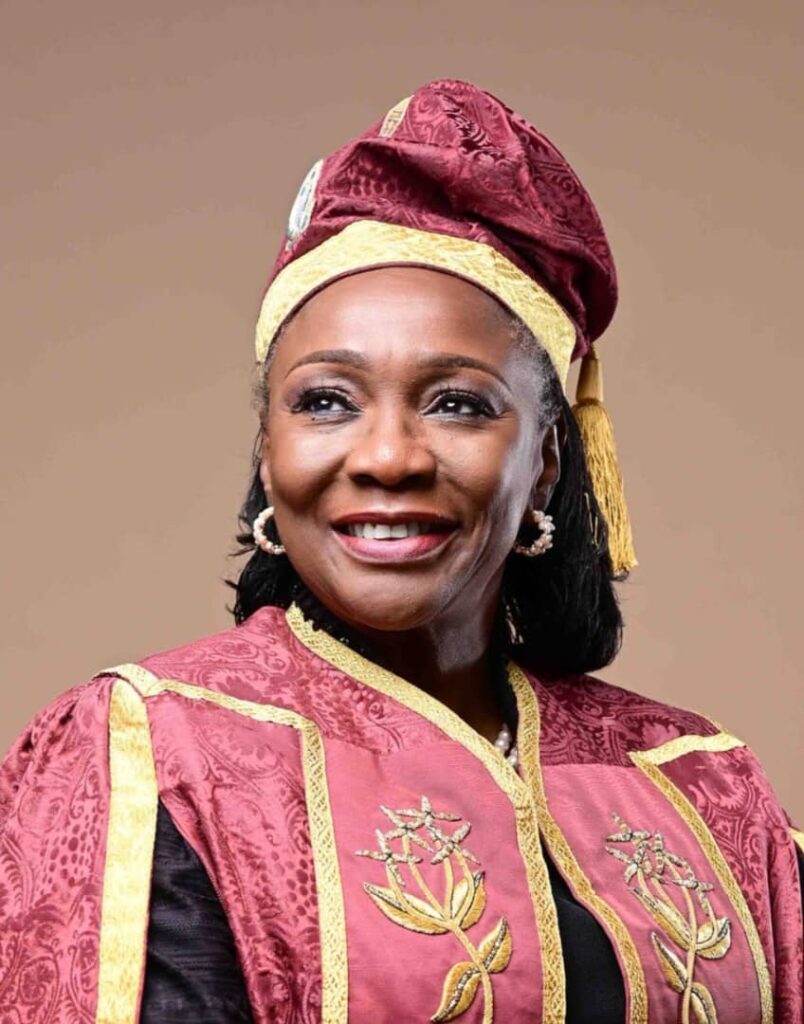
The Vice-Chancellor, Professor Folasade T. Ogunsola, represented by the Deputy Vice-Chancellor (Management Services), Professor Olumuyiwa Falaiye, formally opened the conference.
In her address, Ogunsola said challenges involving food systems, security, healthcare, housing and the humanities were interconnected and therefore required solutions that cut across traditional academic boundaries.
She urged researchers to combine expertise from different fields and build partnerships with government, industry and other stakeholders to ensure that research outcomes translated into meaningful social and economic progress.
The vice-chancellor also emphasised inclusive development, calling on researchers and policymakers to consider the needs of vulnerable and marginalised populations while developing solutions that would remain relevant to future generations.
Energy security and the transition to cleaner power
Delivering the keynote address, titled “The Future of Energy: Bridging Oil and Gas Development with Sustainability, Energy Security and the Global Energy Transition,” Chief Executive Officer and Managing Consultant of Degeconek, Mr Abiodun Olufemi Adesanya, examined Nigeria’s energy prospects amid the global shift towards more sustainable energy systems.
Adesanya said fossil fuels accounted for 89.1 per cent of global energy in 2000, compared with 86.2 per cent in 2025, noting that overall fossil fuel consumption had continued to rise despite growing climate concerns.
He also highlighted Nigeria’s expanding solar energy capacity, which he said increased from 69 megawatts in 2015 to 1.36 gigawatts in 2025, as evidence of the growing role of renewable energy alongside conventional sources.
The energy expert discussed opportunities within Nigeria’s petroleum sector, including developments in the Dahomey Basin and Aje Field, and highlighted Lagos’s significance in the country’s oil and gas industry.
He also examined the potential use of natural gas to supply industrial facilities and power plants in Lagos, linking domestic energy resources to electricity supply, industrialisation and economic growth.
Adesanya referenced reported oil seepage in Amuwo-Odofin, Lagos, and called attention to the need for further seismic and geological studies to establish its nature and potential significance.
Turning to the university’s own energy needs, he identified existing initiatives, including solar street lighting and electric campus transport, as a foundation for expanding cleaner energy use. He recommended an energy audit to establish the institution’s requirements and guide future investments.
He also proposed examining the feasibility of floating solar installations along suitable lagoon and waterfront locations between the campus and the Third Mainland Bridge.
According to him, a gradual expansion of clean energy infrastructure could help UNILAG improve energy reliability while reducing emissions over time.
Insurance and risk management for sustainable development
The plenary session examined how risk management and insurance could protect lives, livelihoods and critical infrastructure against events capable of undermining development gains.
The presentation, titled “Risk Management and Insurance as Catalyst for Sustainable Development: Protecting Lives, Livelihoods and Critical Infrastructure,” was delivered by the Managing Director of Mutual Benefits Assurance Plc, Mr Femi Asenuga, on behalf of the group’s chairman, Dr Akinade Akanmu Ogunbiyi.
The presentation stressed that development should be measured not only by the infrastructure and assets a country creates but also by its capacity to protect them against unexpected shocks.
It outlined key stages of risk management, including identifying, assessing, controlling, financing and monitoring risks. It also discussed risk treatment options such as avoidance, reduction, retention and transfer.
The speaker identified low public awareness, limited trust, affordability challenges and weak enforcement of compulsory insurance requirements as barriers to wider insurance coverage in Nigeria.
To improve uptake, he advocated faster and more reliable claims settlement, simpler insurance products, greater transparency through technology and stronger enforcement of existing regulations.
He also urged insurance regulators to establish clear standards, operators to build public confidence and universities to strengthen training and research in actuarial science, risk management and data science.
According to the presentation, academic institutions could contribute by developing skilled professionals, researching insurance adoption and examining the sector’s potential contribution to poverty reduction and economic resilience.
The conference opening also featured presentations of awards and gifts to Adesanya and Ogunbiyi in recognition of their contributions.
The event continues until Friday, October 16, with research presentations, parallel sessions, oral and poster presentations, exhibitions and networking activities designed to strengthen links between researchers and industry practitioners.
Organisers expect the engagements to promote knowledge exchange and help turn research findings into practical interventions for sustainable development.