Nigeria’s military is benefiting from enhanced intelligence cooperation with the United States as security agencies intensify efforts to contain terrorism, banditry and kidnapping ahead of the 2027 general elections.
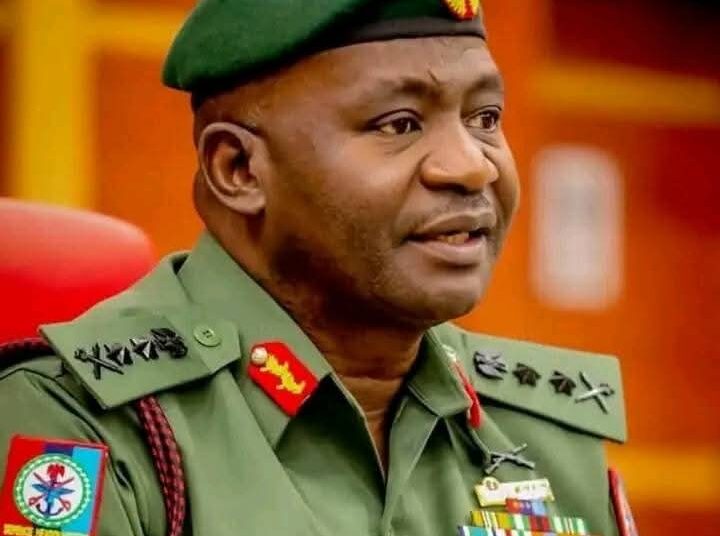
Minister of Defence, Christopher Musa, disclosed that the US is providing satellite surveillance, intelligence sharing and other technical assistance to strengthen Nigeria’s military operations against armed groups across the country.
Speaking to journalists on Monday, Musa said the improved intelligence support had enhanced the military’s ability to identify and track terrorist commanders and bandit leaders. He noted that Nigerian troops had eliminated several high-profile targets during overnight operations in the North-West and North-East.
According to the minister, military operations are now being conducted almost daily, with intelligence gathered through international cooperation helping security forces locate militant positions and execute targeted operations.
Musa explained that Nigeria’s security partnership with the US was expanding as the country confronted multiple threats, including Islamist insurgency in the North-East, armed banditry in the North-West and kidnapping networks operating in different parts of the country.
He also disclosed that Nigeria was expecting additional military helicopters from the United States and Italy to improve operational capacity and support ongoing counter-insurgency efforts.
With the 2027 elections approaching, the minister said security agencies were strengthening their preparedness to prevent attacks and electoral violence before, during and after the polls. Intelligence-driven operations, he added, would form an important part of the strategy.
Musa further revealed that the authorities were monitoring the exploitation of emerging technologies and digital financial platforms by criminal groups. These include Starlink satellite internet services, cryptocurrencies and commercially available drones, which could be used to facilitate communication, surveillance and the financing of criminal activities.
He said Nigeria was collaborating with American authorities to identify and disrupt the financial networks sustaining these groups.
On regional security, the minister disclosed that Nigeria had reached an understanding with Cameroon, Niger and Chad permitting security forces to pursue fleeing terrorists and bandits up to five kilometres into neighbouring territories across their common borders.
He also raised concerns about attempts by Islamic State Sahel to establish links with criminal networks in north-western Nigeria. According to him, there is a risk that economically motivated bandit groups could gradually embrace extremist ideologies, potentially developing into organisations similar to the Islamic State West Africa Province (ISWAP), which operates predominantly in the North-East.
Musa identified difficult forest terrain and porous borders, particularly along Nigeria’s frontiers with Niger and Benin, as factors that have enabled armed groups to evade security operations.
However, he maintained that improved intelligence and surveillance capabilities were helping troops monitor movements through these challenging locations and restrict the operational freedom of criminal networks.
The minister said the government’s strategy was to prevent bandit groups from evolving into ideologically driven terrorist organisations by dismantling their logistical and financial structures while conducting operations against their members within Nigerian territory.