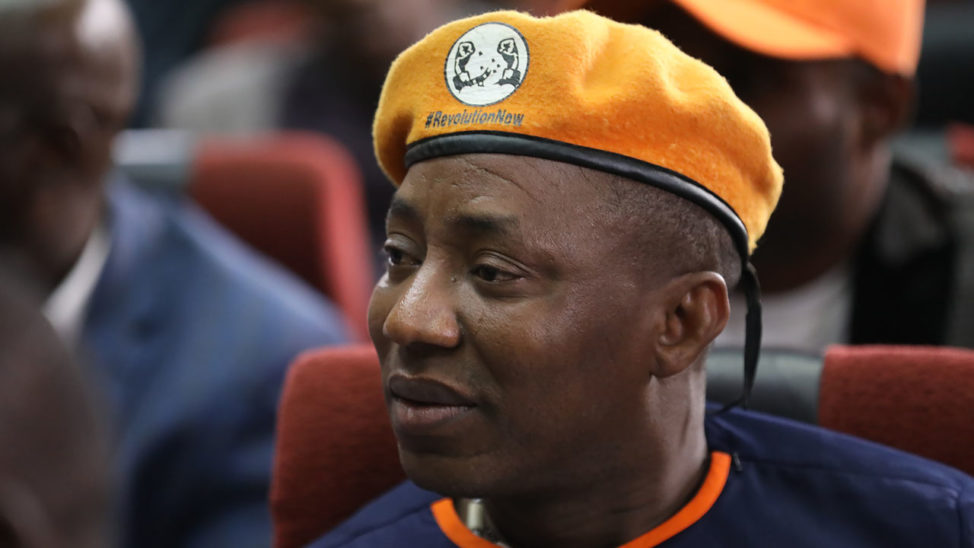
Omoyele Sowore, human rights activist and presidential candidate of the African Action Congress (AAC) in the 2027 general election, has renewed his campaign for the legalisation of cannabis, arguing that Nigeria is forfeiting significant economic opportunities by maintaining its prohibition.
Sowore, in a post on X on Tuesday, said the country could generate substantial public revenue through a properly regulated cannabis industry, pointing to the experiences of Canada and some states in the United States where cannabis has been legalised and subjected to taxation.
He criticised Nigeria’s continued reliance on arrests, prosecutions and the destruction of cannabis farms, arguing that such measures deny the country potential economic benefits from an industry that other jurisdictions have successfully incorporated into their revenue systems.
According to figures he cited for 2024, California generated approximately $1.067bn in cannabis tax revenue, while Colorado collected about $255.36m in marijuana taxes and fees. Canada, meanwhile, recorded approximately CA$2.2bn in government revenue from recreational cannabis during the 2023/2024 fiscal year.
Sowore argued that Nigeria could potentially earn between $550m and $2.2bn annually from a regulated market, depending on its size, taxation arrangements and the effectiveness of the regulatory framework.
Using an illustrative exchange rate of N1,300 to the dollar, he estimated that the projected earnings could translate to between N715bn and N2.86tn annually.
He acknowledged that the projections were hypothetical, noting that actual revenue would depend on several variables, including domestic demand, licensing arrangements, taxation, export opportunities and the capacity of regulatory institutions.
Beyond government revenue, the AAC presidential candidate identified agriculture, pharmaceutical manufacturing and industrial hemp production as sectors that could benefit from a legal cannabis framework. He also argued that regulation could encourage scientific research, create employment and open up opportunities for exports.
Sowore called for a policy framework that would balance economic interests with public health considerations, provide safeguards for consumers, support farmers and establish effective oversight of cultivation, processing and distribution.
Cannabis remains prohibited in Nigeria under the Indian Hemp Act, which criminalises activities including unlawful cultivation, possession, sale, importation, exportation and smoking of the plant.
NAFDAC has similarly maintained that cannabis cultivation, possession, handling and consumption remain unlawful under existing Nigerian regulations.
Sowore has consistently advocated a review of the country’s cannabis policy since 2018, maintaining that prohibition has prevented Nigeria from exploring the economic, agricultural and industrial possibilities of a regulated cannabis sector.