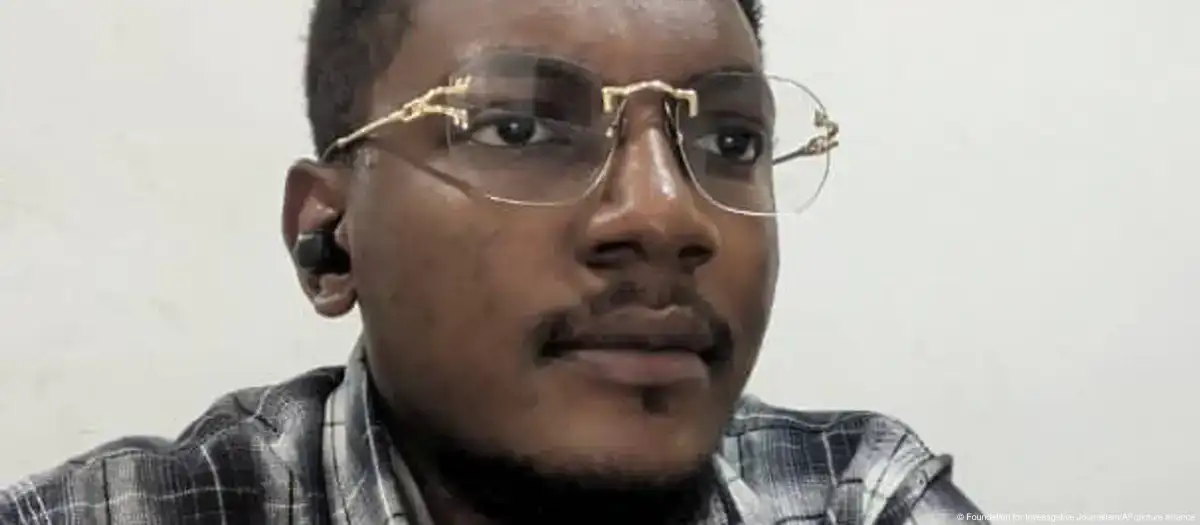
Amnesty International Nigeria has called for the immediate and unconditional release of investigative journalist Daniel Ojukwu, following a Federal High Court order remanding him in custody for 21 days.
The human rights organisation said Ojukwu’s continued detention could further threaten press freedom and discourage journalists from investigating corruption and alleged abuses of public office. It made the demand in a statement posted on its X account on Wednesday.
Amnesty expressed concern that judicial processes were being used to intimidate journalists and restrict freedom of expression, warning that the case could deepen an atmosphere of fear within the Nigerian media.
Ojukwu, a reporter with the Foundation for Investigative Journalism, was remanded at the Kuje Correctional Centre in Abuja on Tuesday after pleading not guilty to a 12-count cyberstalking charge. The charges arose from his investigative reports concerning allegations involving Adejoke Orelope-Adefulire, Senior Special Assistant to President Bola Tinubu on Sustainable Development Goals.
Justice Joyce Abdulmalik ordered that he remain in custody until December 1, 2026, when the court is expected to hear his bail application.
Amnesty recalled that Ojukwu had previously been arrested by operatives of the Nigeria Police Force in May 2024 over his journalistic activities. It said the latest development appeared to reflect a wider pattern in which criminal proceedings were deployed against journalists investigating alleged misconduct by public officials.
The organisation warned that keeping Ojukwu behind bars could discourage media professionals from pursuing sensitive investigations and holding those in authority accountable.
It urged the Federal Government to ensure that any legal proceedings against the journalist complied with international human rights standards, particularly the principles of fair hearing and due process.
Amnesty also called on the authorities to end what it described as the harassment and intimidation of investigative journalist Fisayo Soyombo. It insisted that Soyombo must be allowed to investigate and report on corruption, abuse of power and human rights violations without fear of retaliation.
The organisation maintained that journalists should be able to scrutinise public officials and government policies without facing threats, arbitrary detention or punitive measures.
It further warned against the use of criminal laws and court processes to silence journalists, activists, human rights defenders and other critics of government, stressing that investigative reporting and the exposure of alleged corruption should not be treated as criminal conduct.