The Federal Government is considering a nationwide social housing programme that would deliver 100 housing units in every local government area, alongside a proposed increase in the maximum mortgage loan from N50 million to N85 million, to improve access to affordable homes.
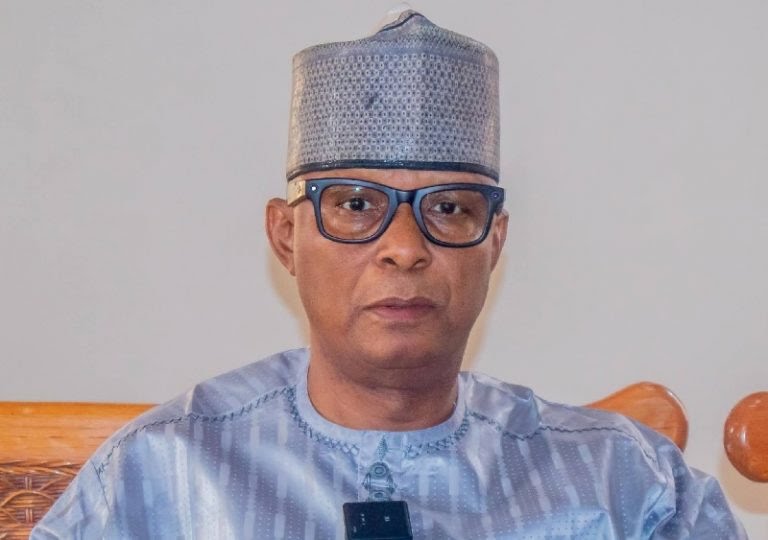
The Minister of Housing and Urban Development, Muttaka Rabe Darma, announced the proposals at the closing ceremony of the 15th National Council on Lands, Housing and Urban Development in Sokoto State on Thursday. He said the initiatives formed part of ongoing efforts to tackle Nigeria’s housing deficit and make homeownership more accessible, particularly for low-income earners.
Darma identified primary school teachers and other workers on modest incomes as potential beneficiaries of the planned social housing scheme, noting that many spend their working lives in rented accommodation because they cannot afford to build or purchase homes. He said the government was committed to expanding access to decent housing for Nigerians who would otherwise struggle to enter the property market.
To improve access to mortgage finance, the minister disclosed that the Federal Mortgage Bank of Nigeria had been directed to channel at least 70 per cent of its annual collections towards housing loans. He also announced plans to establish a National Housing Finance Authority to strengthen regulation, coordination and accountability in the housing finance sector.
The government is equally considering a mortgage arrangement for Nigerians living abroad, which would enable them to purchase homes in locations of their choice. In another proposed reform, a centralised land management system would allow prospective property buyers to verify ownership and establish whether land is affected by legal disputes without having to travel to the relevant states.
Darma also stressed the need to extend mortgage opportunities to informal-sector workers, many of whom earn incomes and own land but encounter difficulties securing conventional housing loans.
Earlier, the Sokoto State Commissioner for Lands and Housing, Nasiru Dantsoho, commended Governor Ahmed Aliyu for providing the financial and administrative support required to host the council meeting. He expressed confidence that the deliberations would help strengthen housing institutions and improve the delivery of decent accommodation.
Dantsoho cited figures indicating that 14.5 million Nigerians lacked shelter, while another 15.5 million lived in unsafe environments, highlighting the scale of the country’s housing challenges.
Also speaking at the event, the Chairman of the House of Representatives Committee on Housing and Urban Development, Awaji-Inombek Dagomie, urged federal and state governments to prioritise affordable, long-term mortgage financing for low- and middle-income earners. He identified high interest rates as a major barrier to homeownership and advocated single-digit lending rates to make housing loans more accessible.
Dagomie also called for greater investment in high-rise residential developments, particularly in urban centres where expensive land significantly increases construction costs. He argued that multi-storey housing could spread land expenses across more residential units, potentially lowering the overall cost of accommodation.
On land administration, the lawmaker advocated simpler, digitised registration procedures and proposed assigning a unique national identification number to every building. He said such a system could improve property records, strengthen accountability, support more accurate housing statistics and make it easier to establish ownership, including in matters involving deceased persons’ estates.
He further called for stricter enforcement of development control regulations, warning that inadequate urban planning contributed to flooding in cities such as Lagos, Port Harcourt and Abuja. He urged authorities to strengthen land-use planning and promote locally sourced building materials as part of broader efforts to reduce construction expenses.
Dagomie maintained that expanding affordable mortgage financing, reforming land administration, encouraging cost-effective construction and enforcing sound urban planning were essential to improving housing delivery and making homeownership attainable for more Nigerians.