The World Health Organisation (WHO) has said Nigeria must complete a 42-day surveillance period before it can be officially declared free of Ebola, despite having no known active cases following the evacuation of the infected patient to Switzerland.
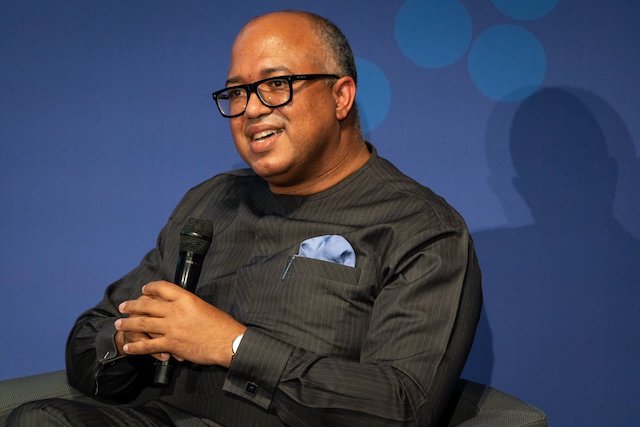
Dr Chikwe Ihekweazu, Executive Director of the WHO Health Emergencies Programme, explained that the process required health authorities to monitor all identified contacts of the patient for 21 days, followed by an additional 21-day period before the country could be declared Ebola-free.
Speaking during an interview with ARISE NEWS on Wednesday, Ihekweazu said 53 contacts had been identified and required follow-up under established WHO protocols.
The WHO Regional Director for Africa, Mohamed Janabi, had earlier announced on Monday that Nigeria had no active Ebola cases after the infected patient and her husband were medically evacuated to Switzerland.
Janabi said Nigerian medical personnel had successfully treated the patient during the acute phase of the illness and stabilised her condition before the evacuation. He added that Swiss authorities would oversee her continued treatment and monitor her husband, who was identified as the 53rd contact.
The remaining 52 contacts in Nigeria are expected to continue receiving monitoring by local health authorities.
Ihekweazu clarified that the patient’s evacuation was requested by her country of origin and should not be interpreted as evidence that Nigeria lacked the capacity to manage Ebola cases.
He explained that Ebola belongs to a group of diseases known as viral haemorrhagic fevers, which require immediate and coordinated public health interventions whenever a case is confirmed.
According to him, the WHO supported Nigeria’s response, which included rapid laboratory confirmation, genetic sequencing and clinical management of the patient. He commended the authorities for implementing the recommended measures and expressed confidence in the country’s handling of the incident.
On concerns about political rallies and other public gatherings, Ihekweazu said the WHO had not advised additional restrictions. He stressed that the organisation’s recommendations were based on technical public health assessments rather than political considerations.
He said the immediate priority was to monitor every identified contact daily, identify any possible further transmission promptly and ensure that appropriate measures were taken if additional infections emerged.
The WHO official urged Nigerians to trust the government and relevant health agencies, noting that the international organisation was providing support to the country’s response efforts.
He also cautioned against politicising the situation, emphasising that sustained surveillance and a coordinated public health response remained essential to preventing further transmission and securing Nigeria’s eventual Ebola-free status.