The Federal Government has disbursed ₦249.6bn to the Basic Health Care Provision Fund (BHCPF) in the past three years, accounting for 77.1 per cent of total disbursements under the programme since its inception in 2019.
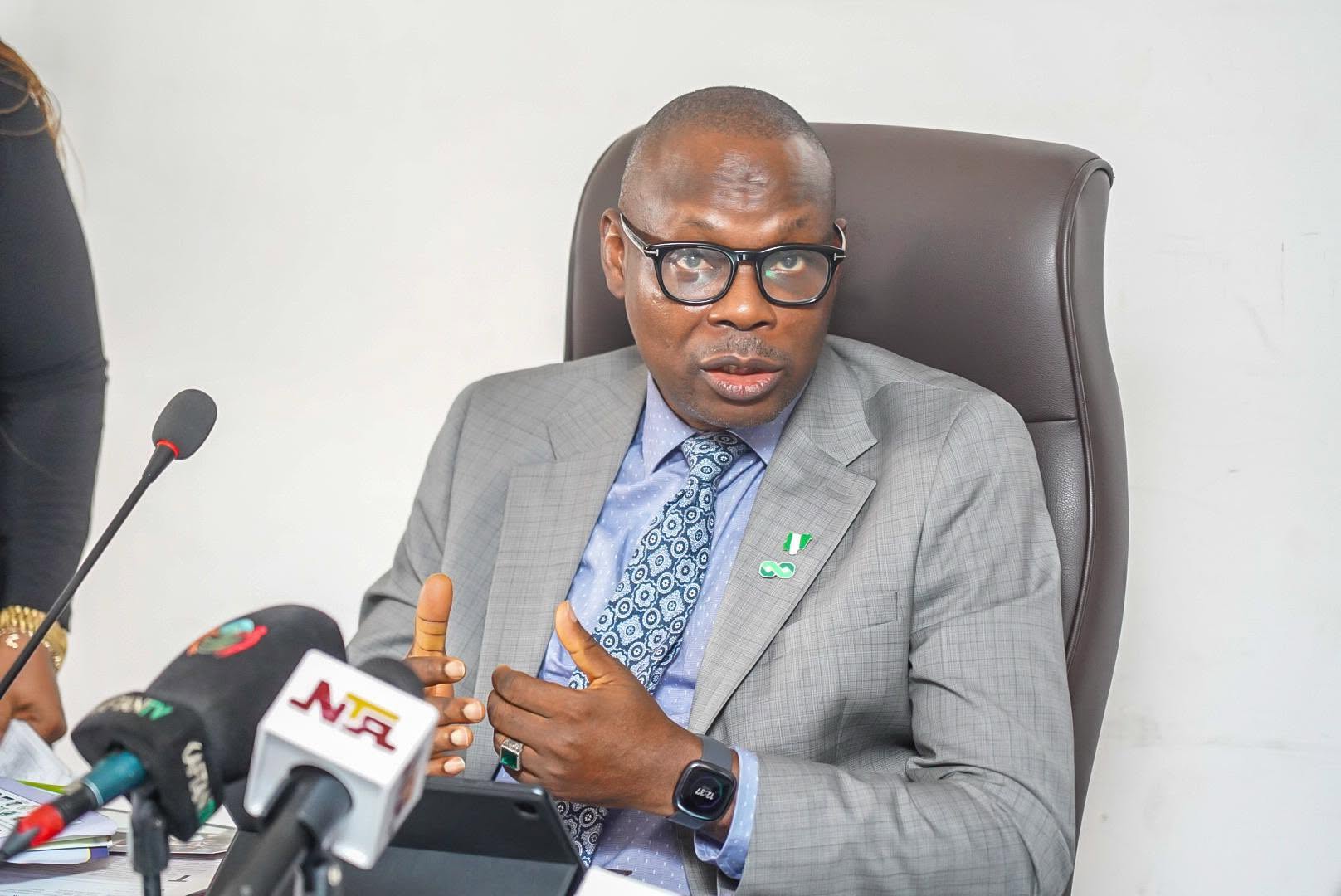
The Minister of State for Health and Social Welfare, Dr Iziaq Adekunle Salako, disclosed this on Wednesday during a ministerial briefing in Abuja on the fund’s implementation and achievements between 2023 and 2026.
Salako said the administration of President Bola Tinubu had increased funding for essential healthcare, expanded health insurance coverage and strengthened primary healthcare delivery through the scheme.
He explained that a total of ₦432.3bn had been released to the fund since its first disbursement in September 2019, while actual disbursements stood at ₦323.6bn before the latest approval.
According to the minister, the Ministerial Oversight Committee approved an additional ₦40.758bn for the third quarter of 2026. The approval is expected to raise cumulative disbursements to about ₦364bn, including ₦290.2bn under the Tinubu administration.
Salako stressed that the impact of the fund should be measured not merely by the amounts released but by whether the money reached healthcare facilities and improved services for patients.
Established under the National Health Act 2014, the BHCPF is designed to improve access to essential healthcare, particularly for poor and vulnerable Nigerians. The minister said it had become a key component of the government’s health sector reform programme.
He noted that the Nigeria Health Sector Renewal Investment Initiative, launched by Tinubu in December 2023, was intended to align federal and state governments, the Federal Capital Territory and development partners behind a common reform agenda. The framework was expanded in November 2025 to include local governments, private sector organisations, civil society groups, traditional institutions and religious leaders.
Salako said the introduction of BHCPF Guideline 2.0 was intended to strengthen transparency through performance-linked funding, direct financing of healthcare facilities and tighter monitoring. The framework also incorporates the National Identification Number to improve beneficiary identification and make expenditure more traceable.
Of the ₦40.758bn approved for the third quarter of 2026, ₦19.87bn was allocated to the National Health Insurance Authority Gateway, while ₦18.3bn went to the National Primary Health Care Development Agency Gateway. The Emergency Medical Treatment Gateway received ₦2.04bn, and ₦409.48m was allocated to the Nigeria Centre for Disease Control and Prevention Gateway.
The minister also disclosed that the fund’s statutory allocation from the Consolidated Revenue Fund had increased from approximately ₦8.95bn monthly in January 2023 to ₦20.43bn. The government expects the fund to receive ₦245.1bn by the end of 2026, subject to the full implementation of the year’s appropriation.
He said the Federal Government was working with the National Assembly to raise the statutory allocation from one per cent to two per cent of the Consolidated Revenue Fund.
On health insurance, Salako said national enrolment had risen from about 16.2 million people in 2023 to 23.06 million by the third quarter of 2026. He added that 3,182,943 vulnerable Nigerians with National Identification Numbers had been identified for insurance coverage supported by the fund.
The programme has also supported free vesicovaginal fistula surgeries and rehabilitation, emergency caesarean sections and other interventions that have benefited 96,068 women and babies, according to the minister. Health insurance coverage has also been approved for approximately 90,000 inmates in correctional facilities nationwide, while support is being extended to key populations, including people living with HIV and tuberculosis.
At the primary healthcare level, 8,309 facilities across the 36 states and the FCT were receiving direct funding through the programme. Salako said plans were underway to extend coverage to another 5,212 facilities, bringing the projected total to 13,512 centres.
He reported that primary healthcare attendance had increased from a baseline of 34.55 million in 2023 to 43.06 million by the second quarter of 2026. The programme also recorded an approximately 20 per cent improvement in the number of eligible children under one year who received the third dose of the pentavalent vaccine, alongside a 63.6 per cent rise in deliveries attended by skilled birth attendants.
The government is also strengthening emergency medical services. Salako said 116,571 ambulance service interventions had been recorded since 2023, covering labour and obstetric emergencies, neonatal and under-five emergencies, road traffic injuries, snake bites, wounds and other urgent medical conditions.
He added that emergency medical services management and operational structures had been established in all 36 states and the FCT. Efforts were continuing to extend emergency transport to communities with difficult terrain and waterways while ensuring patients could access functional receiving facilities.
The minister said funding through the disease surveillance gateway had supported preparedness and response activities involving outbreaks of Lassa fever, cholera, diphtheria and mpox.
On workforce development, he disclosed that 78,054 frontline health workers had been trained by June 2026 under a programme targeting 120,000 personnel. The oversight committee had also approved phased salary support for 13,800 community-based health workers and skilled birth attendants.
Under the arrangement, the Federal Government will cover all eligible salary costs in the first year, 67 per cent in the second year and 33 per cent in the third year. The scheme is intended to encourage state governments to absorb the workers into their employment structures progressively.
Salako urged state governments to meet their obligations under the programme by providing counterpart funding, strengthening oversight and ensuring that healthcare facilities had adequate personnel and resources. He cited Katsina State’s release of ₦240.79m to its health insurance agency as an example of state-level support for expanding coverage.
He said the Federal Government was also working with the Independent Corrupt Practices and Other Related Offences Commission to strengthen financial monitoring and ensure that public funds were used for their intended purposes.
The oversight committee had further approved the operationalisation of Medipool, a procurement mechanism for essential medicines and health commodities under the fund. Salako said the initiative would be subject to price benchmarks, quality standards and value-for-money safeguards, with the aim of improving the availability of medicines and other supplies.
Looking ahead, the minister said the government intended to expand direct financing to at least 17,600 healthcare facilities while working with the National Assembly and state governments to increase funding and strengthen accountability.
He maintained that the fund’s ultimate success would depend on whether increased financing translated into better healthcare outcomes and enabled Nigerians, particularly vulnerable households, to obtain essential medical services without being pushed into poverty.