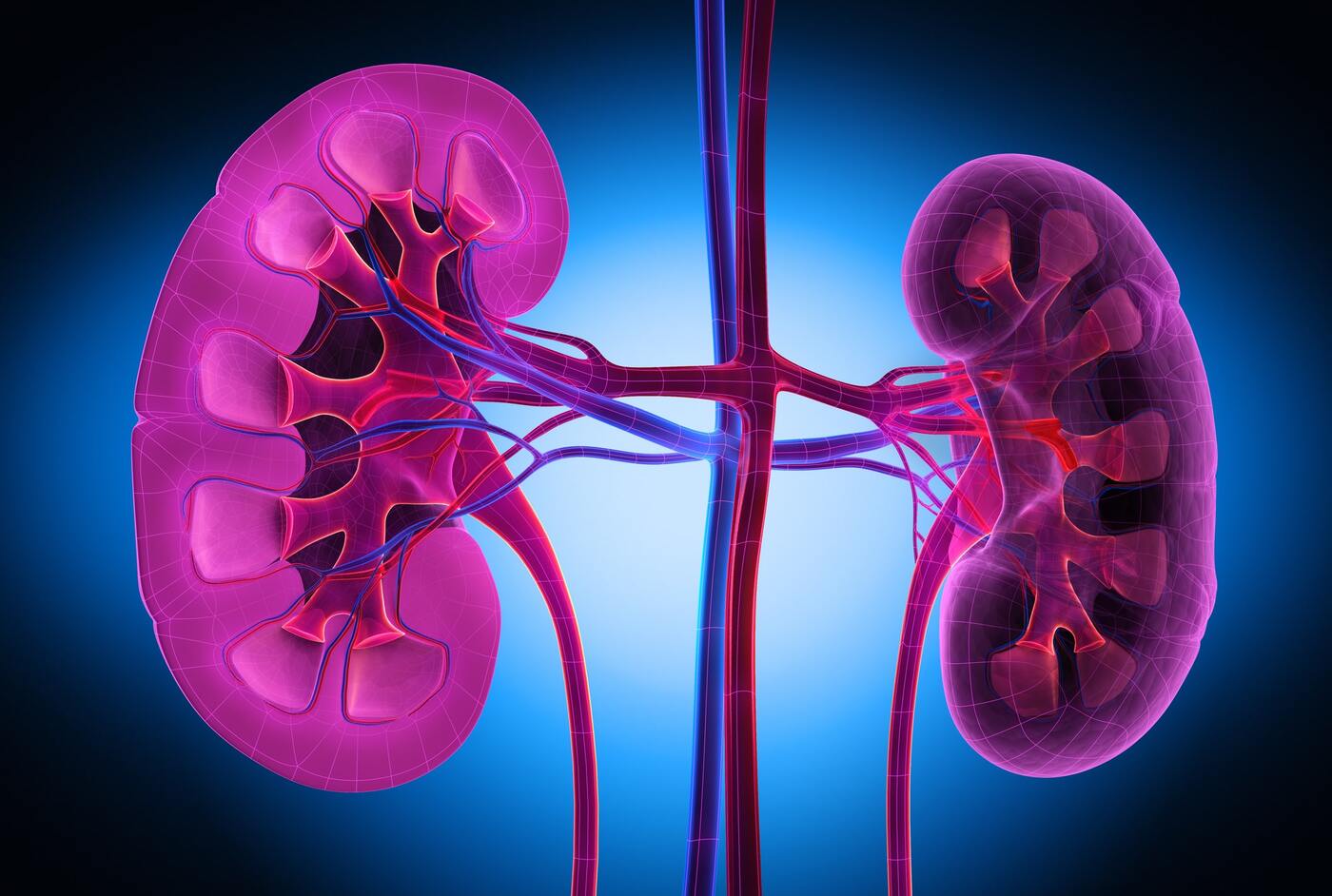
Nigeria may be recording as many as 9,000 new cases of end-stage kidney failure monthly, raising concerns about the growing burden of kidney disease and the need for stronger prevention, early diagnosis and access to specialist care. Consultant neurosurgeon and Chief Executive Officer of Wellington Neurology and Neurosurgery Hospital, Abuja, Dr Charles Ugwuanyi, gave the warning during an event marking the hospital’s 15th anniversary in Abuja, urging Nigerians to take routine medical examinations seriously and avoid waiting until symptoms become severe before seeking care.
Similarly, the Vice-Chancellor of the University of Medicine and Medical Sciences, Abeokuta, Prof. Fatiu Arogundade, said an estimated 25.4 million Nigerian adults could be living with chronic kidney disease (CKD). He made the disclosure while delivering the 430th inaugural lecture of Obafemi Awolowo University, Ile-Ife, Osun State, titled “The Burden, Barriers, Bottlenecks and Breakthroughs in the Management of Kidney Disease in Nigeria: A Journey from the Grassroots to the Frontiers”. Drawing on more than three decades of clinical practice and research, Arogundade described kidney disease as a major public health challenge requiring a coordinated national response focused on prevention, early detection and affordable treatment.
Ugwuanyi identified hypertension, diabetes, excessive alcohol consumption and the indiscriminate use of medications as important risk factors contributing to kidney disease. He said addressing the growing burden required more than social media campaigns and public commentary, stressing the need to identify the underlying causes, promote preventive healthcare and provide practical support for affected patients.
“It is assuming an epidemic pattern, and the question is, why is it so? The solution is not in making noise on social media. It is to find out what the issues are and how you can help,” he said.
The hospital chief expressed concern that many Nigerians, including young adults, were reluctant to undergo routine medical examinations because they felt healthy or believed serious illnesses were unlikely to affect them. He urged the public to make regular blood pressure and blood sugar checks part of their healthcare routine, explaining that early detection could help people manage underlying conditions before they cause irreversible kidney damage.
Arogundade said Nigeria lacked a comprehensive national registry capable of establishing the definitive prevalence of chronic kidney disease. However, he cited a peer-reviewed Nigerian study involving 14,250 participants, which reported a pooled CKD prevalence of 20.4 per cent. Applying the study’s findings to the adult population, he estimated that approximately 25.4 million Nigerians could be living with overt or undetected CKD, while about 127,000 could have advanced chronic kidney disease or end-stage renal disease.
The professor noted that kidney disease in Nigeria had a distinctive demographic pattern, affecting many people between the ages of 20 and 50, unlike in developed countries where it was more commonly associated with older populations. He identified hypertension and glomerulonephritis as the leading causes of kidney disease in Nigeria, with diabetes, HIV-associated nephropathy and obstructive kidney disease also contributing significantly.
Arogundade further identified environmental exposures and sickle cell disease as important contributors to the national burden, emphasising the need for stronger preventive measures, early diagnosis and improved access to treatment. The experts’ concerns underscore the importance of public awareness, responsible medication use and sustained investment in kidney care as Nigeria confronts the growing impact of chronic and end-stage renal disease.